Yemen Crisis Enters New Phase of Complexity and Uncertainty
January 5, 2026 • Al Jazeera
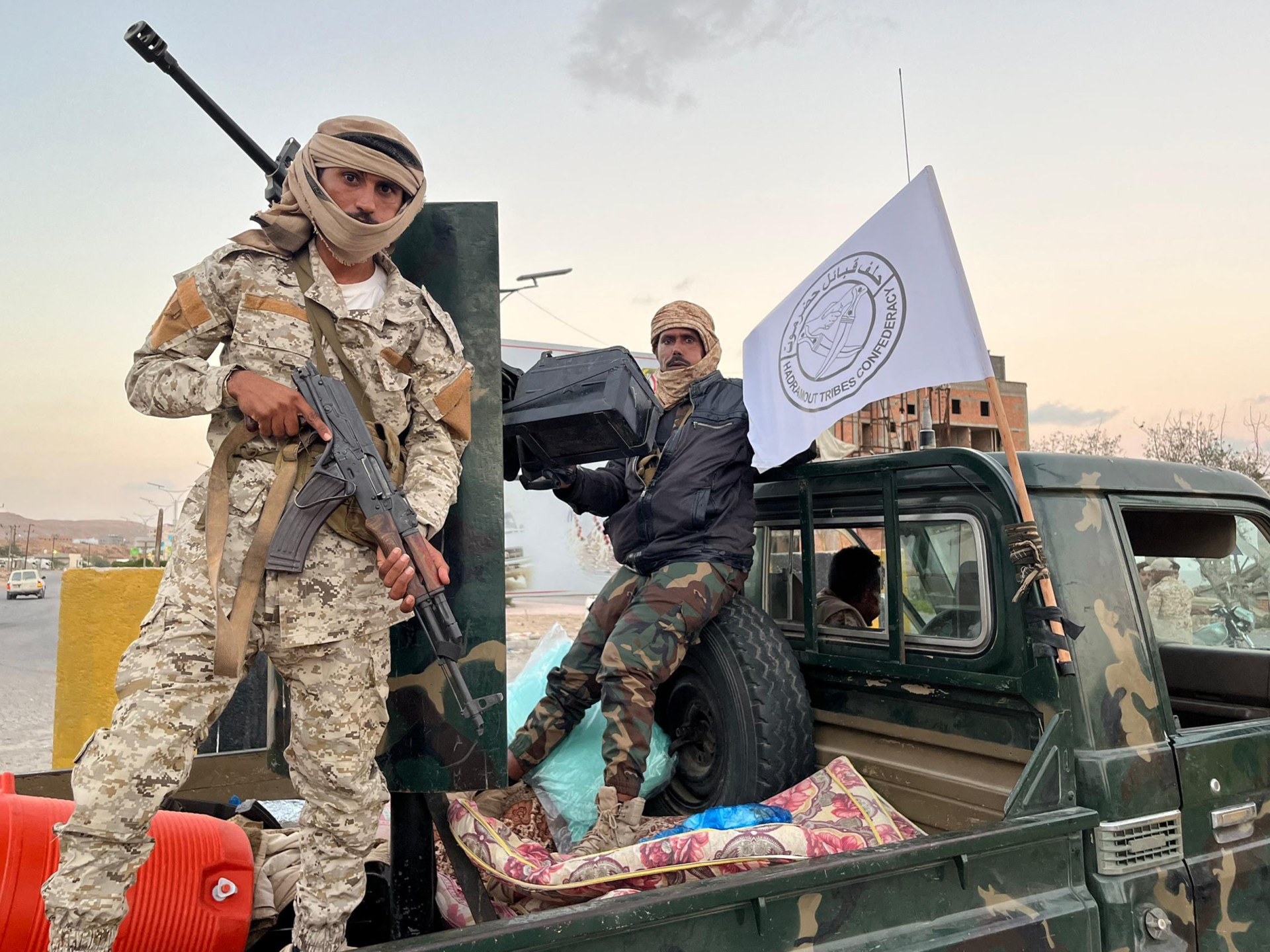
Yemen’s Conflict Escalates as External Interventions Take Toll
A series of events has unfolded in Yemen, resulting in armed clashes between the Arab coalition supporting the internationally recognized government, led by Saudi Arabia, and the Southern Transitional Council (STC), backed by the United Arab Emirates. The conflict has intensified internal divisions and exposed the country’s legitimate state to further weakness.
The situation has been shaped by a long history of complexities since the civil war began in 2014. External interventions have had a profound impact on creating political and administrative chaos, leading to increased tensions between the two main coalition states - Saudi Arabia and the UAE.
The Yemeni president and the Saudi-led Arab coalition have responded strongly to the STC’s moves, marking a new approach to similar events. This shift may signal a new phase in correcting imbalances and deviations stemming from the Arab coalition’s intervention over more than a decade.
The Houthi rebels in northern Yemen remain silent, but are reportedly intensifying their military preparations, redeploying forces along key fronts. The conflict between allies is believed to be rooted in a deep-seated rivalry between Saudi Arabia and the UAE.
In 2015, Saudi Arabia led a coalition of 10 Arab and Muslim countries to intervene militarily in Yemen, with the aim of restoring the authority of former president Abd-Rabbu Mansour Hadi. The conflict has seen differences emerge between the two main allies, with some arguing that the UAE entered the war with a plan for geopolitical interests.
The situation remains complex, with no clear resolution in sight. The future implications for Yemen and the region are uncertain, as the conflict continues to unfold.
Source: Al Jazeera