Zimbabwe proposes eliminating presidential election process amid public outcry
June 19, 2026 • Al Jazeera
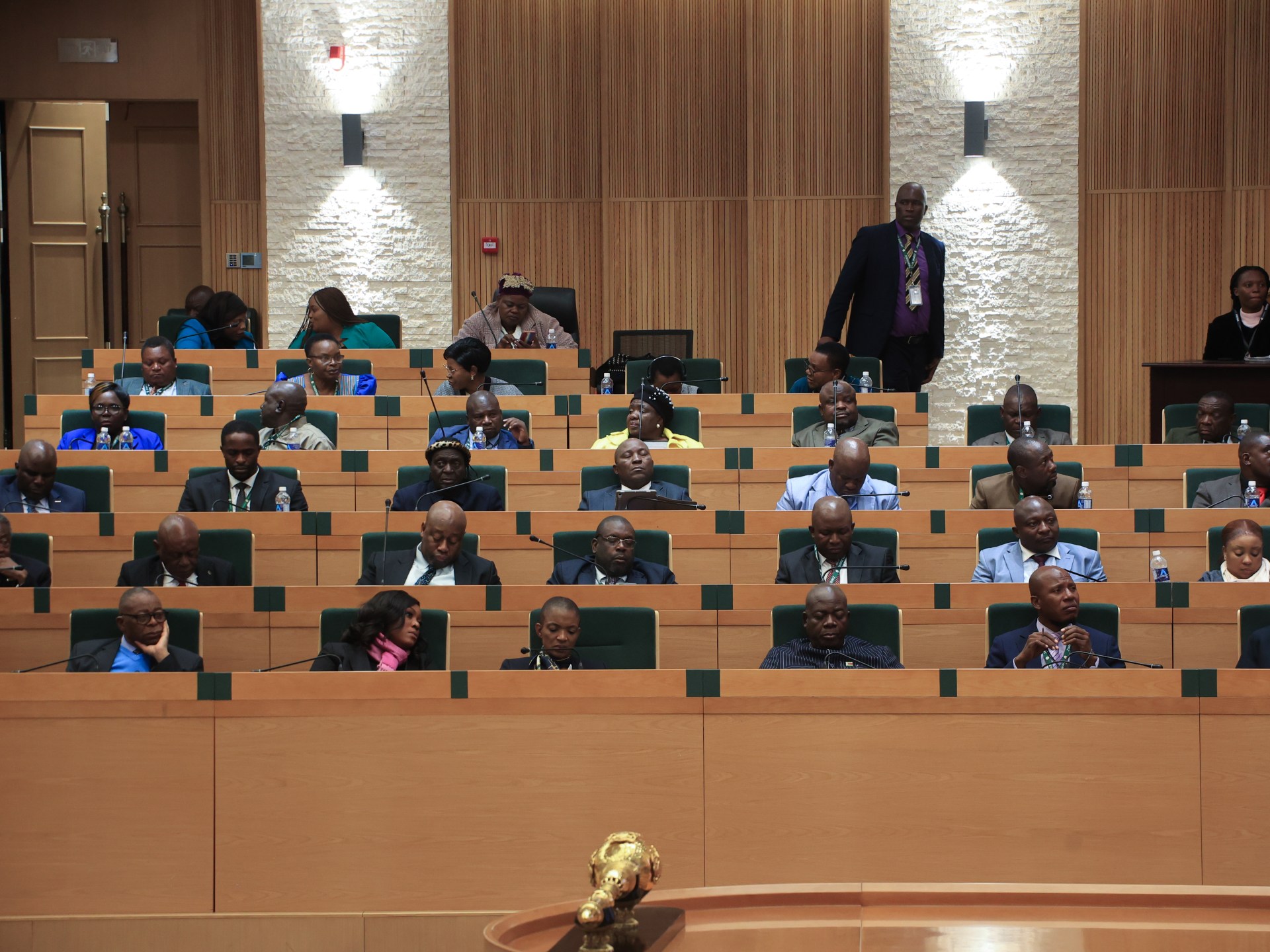
Harare, Zimbabwe – A bill has been approved by lawmakers in Zimbabwe’s National Assembly, which would replace direct presidential elections with a vote by parliament. The proposal aims to promote policy continuity but its implications for democratic accountability are disputed.
The Constitutional Amendment Bill No 3 passed on Thursday with 216 lawmakers voting in favour and 42 against. It now moves to the Senate, where it is expected to secure the two-thirds majority required for constitutional amendments.
Justice Minister Ziyambi Ziyambi sponsored the bill, stating that it does not extend the president’s term or concentrate power. However, opponents argue that the proposed changes would strengthen President Emmerson Mnangagwa’s influence over the political system and could pave the way for him to remain in office beyond his constitutional term.
Supporters of the bill say it would promote long-term policy continuity and give Mnangagwa more time to complete his development agenda. However, critics believe that two additional years would not improve the lives of Zimbabweans struggling with poverty.
Zimbabwe has been ruled by the Zimbabwe African National Union–Patriotic Front (ZANU-PF) since independence in 1980. The proposed amendment would replace direct presidential elections with a joint sitting of the Senate and National Assembly, which could further entrench ZANU-PF’s dominance.
The bill’s sponsor, Justice Minister Ziyambi, rejected criticism that it would undermine Zimbabwe’s constitutional order. He stated that the changes were necessary to refine the constitution and enhance its functionality. However, opponents argue that the objective of the proposed changes is not to improve the lives of ordinary people but rather to maintain the ruling party’s grip on power.
The bill now moves to the Senate, where it will be decided whether or not to secure the two-thirds majority required for constitutional amendments.
Source: Al Jazeera