Chinas Abundant Energy Supply May Give It an Edge in AI Race
May 28, 2026 • Al Jazeera
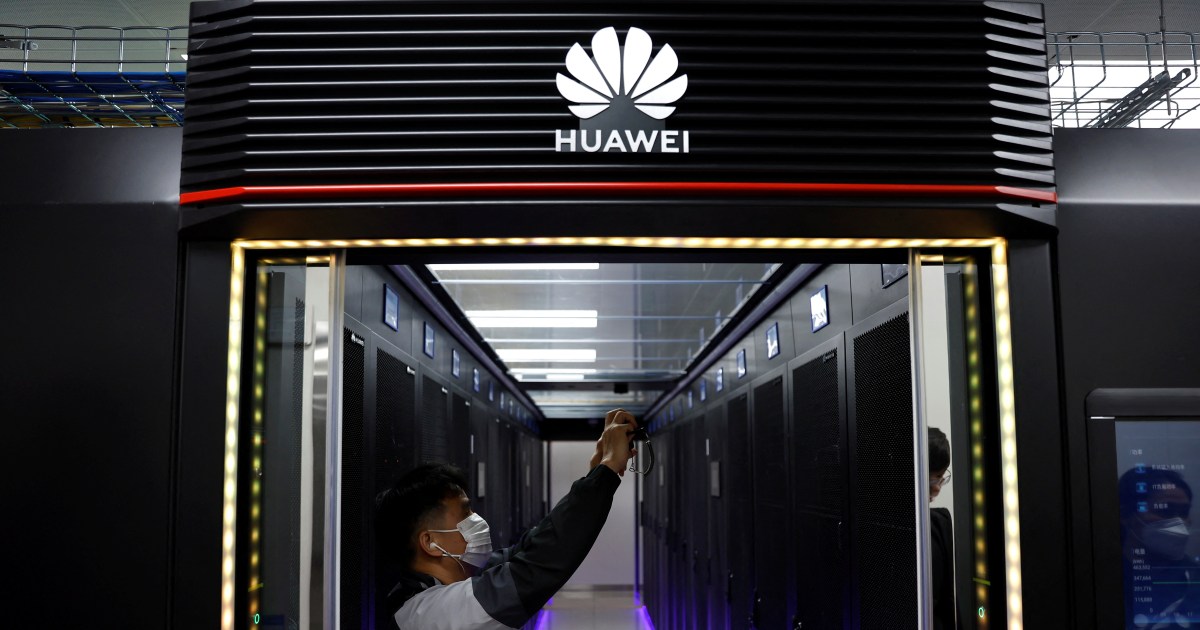
China’s Data Centre Advantages in AI Supremacy Race
The United States and China are competing for dominance in artificial intelligence (AI), with the US leading in semiconductor access. However, when it comes to powering data centres that run on AI chips, China has a significant advantage due to its abundant supply of cheap electricity.
Data centres require substantial amounts of energy, with a typical facility consuming as much power as 100,000 households or more. Next-generation “hyperscale” facilities can consume even more, up to two million homes’ worth of electricity. According to the International Energy Agency (IEA), China generates more than twice as much electricity as the US, and its energy output is expected to increase significantly over the next five years.
China’s government has launched an initiative called “East Data, West Computing” to build new data centres in sparsely populated areas with abundant land and renewable energy sources. This strategy aims to integrate data centres into China’s expanding renewables sector. The country recently announced the start of operations at its first large-scale renewable energy project linked directly to a data centre.
China’s access to cheap, stable, low-carbon electricity gives it an advantage in supplying western data centre clusters with large volumes of relatively clean power. According to Qiyang Xiong, a PhD candidate at Renmin University of China, “the country that can provide cheap, stable, low-carbon electricity will have a major advantage in AI infrastructure.”
While the US still has the largest data centre footprint, China is rapidly narrowing the gap. The country’s number of data centre racks grew 30% annually from 2016 to 2023. Chinese tech giants are also investing heavily in data centres, with projected spending of $630 billion by Amazon, Microsoft, Meta, and Alphabet alone in 2026.
China has turned to domestic semiconductor manufacturers, such as Semiconductor Manufacturing International Corporation (SMIC), due to US export controls on top-end Nvidia chips manufactured by Taiwan Semiconductor Manufacturing Company (TSMC). By 2030, China aims to increase its electricity generation capacity significantly.
Source: Al Jazeera