Experts outline steps to prevent future nuclear disasters like Chornobyl
April 26, 2026 • Al Jazeera
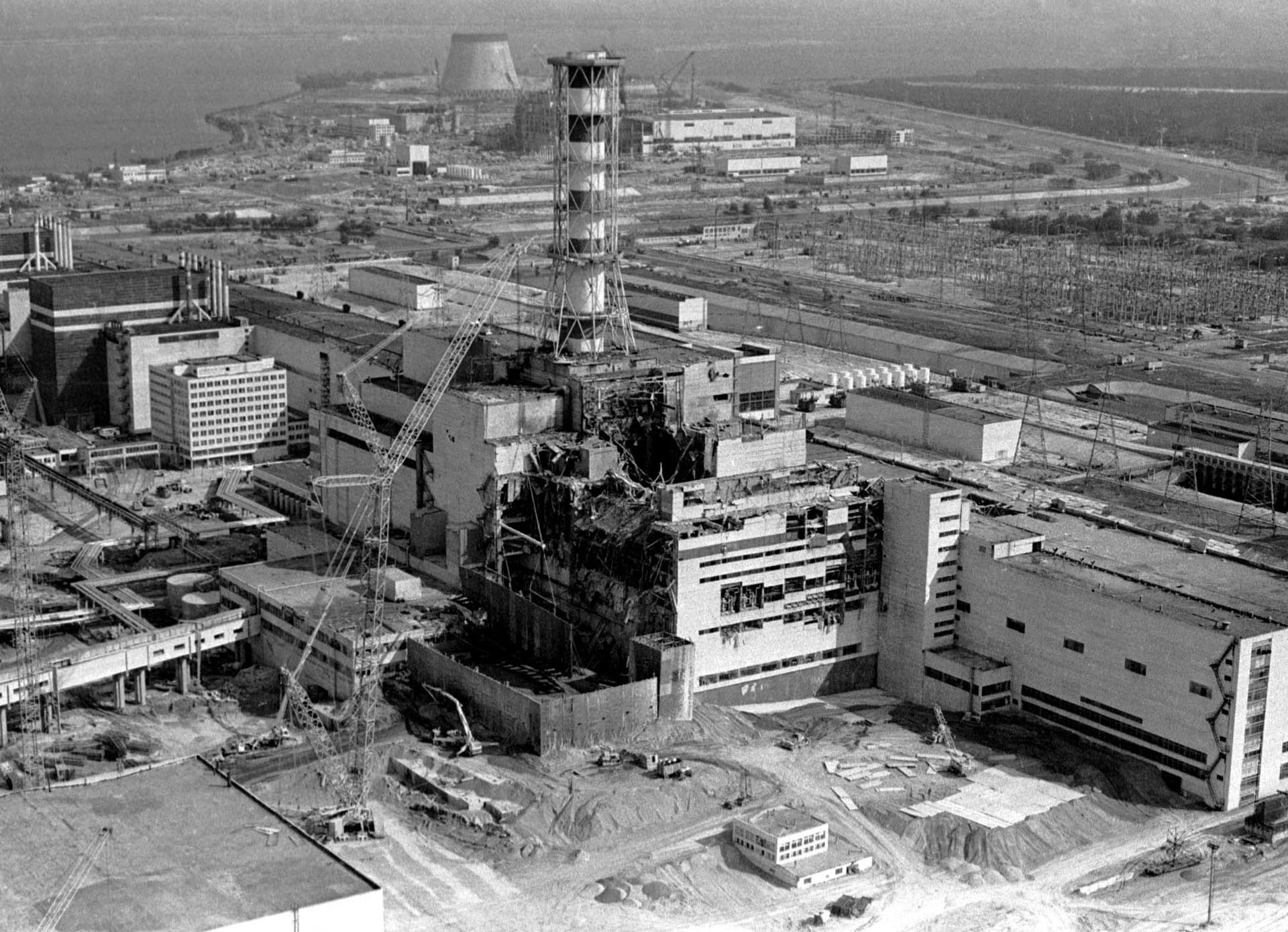
Here is a rewritten version of the article in a neutral newsroom style:
Forty years have passed since a reactor explosion at the Chornobyl Nuclear Power Plant in Ukraine resulted in widespread radioactive contamination. The incident led to the deaths of at least 30 people immediately, with estimates suggesting tens of thousands more have died due to radiation exposure over the years.
The disaster also had significant environmental and social impacts, including increased birth defects and forced evacuations of hundreds of thousands of people. Today, Chornobyl remains a site of ongoing radioactive contamination, with many areas still uninhabitable.
In recent years, nuclear sites in Ukraine and Iran have been targeted by military action. In Ukraine, attacks on the electricity grid and the Zaporizhzhia Nuclear Power Plant have caused damage to critical infrastructure. In Iran, multiple nuclear sites have been bombed, including the Bushehr Nuclear Power Plant.
The ongoing conflict has also highlighted the fragility of global fossil fuel systems. Disruptions to key trade routes, such as the Strait of Hormuz, have led to significant increases in oil and gas prices, affecting households worldwide.
Experts note that both nuclear and fossil fuel systems are vulnerable to disruption due to their centralized nature. Nuclear plants and electricity grids can be targeted by war, while oil and gas supplies can be disrupted at strategic chokepoints.
In contrast, decentralized renewable energy systems with storage offer a potential solution for greater resilience and stability. These systems have been used in Ukraine to keep hospitals and critical services running during repeated attacks on the energy grid. They are faster to deploy, easier to repair, and harder to disable than traditional infrastructure.
Renewable energy does not rely on fuel that must pass through contested shipping lanes or pipelines, making it less susceptible to disruption. The use of decentralized renewable energy systems can also reduce exposure to geopolitical shocks and limit the ability of energy systems to be weaponized for political leverage.
Source: Al Jazeera