Gulf Countries Invoke Force Majeure Amid Global Economic Uncertainty
March 13, 2026 • Al Jazeera
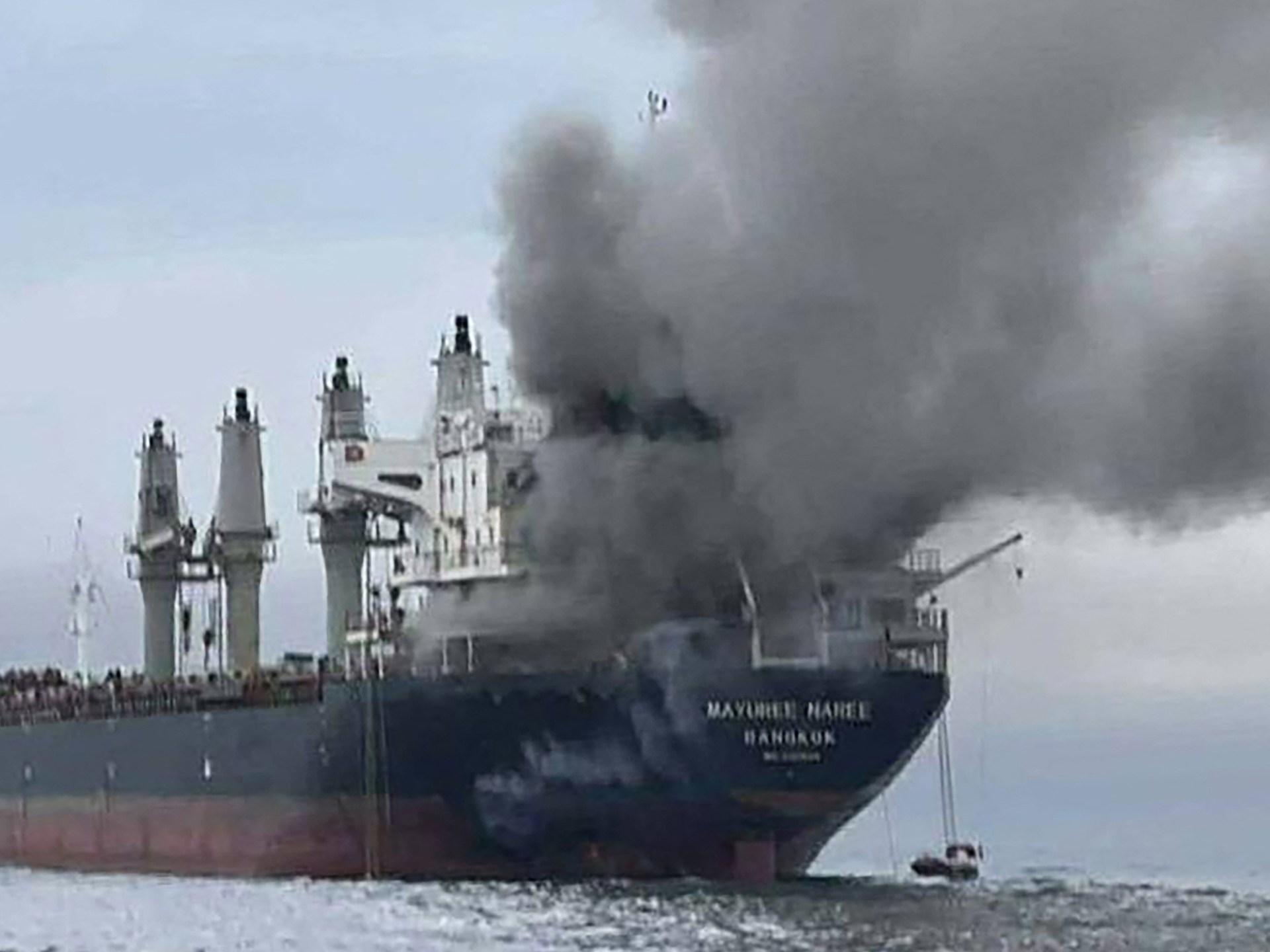
Gulf Nations Declare Force Majeure on Oil and Gas Shipments Amid Conflict with Iran
Several Gulf nations, including Qatar, Bahrain, and Kuwait, have declared force majeure on oil and gas shipments due to disruptions in shipping through the Strait of Hormuz. The declaration follows the United States-Israeli military strikes against Iran, which began on February 28.
QatarEnergy was among the first to halt production, shutting down gas liquefaction on March 2. Kuwait Petroleum Corporation and Bahrain’s Bapco Energies followed days later. India has also invoked emergency measures to redirect gas supplies to priority sectors.
Force majeure is a clause in contracts that allows a party to be excused from its obligations when an event beyond its control prevents performance. Companies have invoked force majeure due to severe disruptions to shipping through the Strait of Hormuz caused by US-Israeli military strikes against Iran.
According to Ilias Bantekas, a professor of transnational law at Hamad bin Khalifa University in Qatar, Gulf companies are invoking force majeure “to avoid paying damages or other financial penalties under their contracts.” The declaration has already significantly disrupted the global LNG market, with Qatar accounting for nearly 20% of global supply.
The lack of visibility over the likely duration of force majeure and the broader military conflict is injecting extreme uncertainty into global oil, gas, and LNG prices. Seb Kennedy, a global gas and LNG analyst, stated that prices will necessarily keep rising as a result.
Force majeure clauses typically define which events qualify for invocation, and companies rely on provisions they previously agreed upon. However, only a court would have the authority to make a definitive determination as to whether this kind of war, under these particular circumstances, amounts to force majeure.
Source: Al Jazeera