Indias Remittances from Iran Under Threat Due to US-Israel Conflict
March 13, 2026 • Al Jazeera
Here’s a rewritten version of the article in a neutral newsroom style:
US-Israeli Conflict Sparks Global Energy Crisis, Affects India
The US-Israeli conflict with Iran has entered its second week, causing disruptions to global energy supplies and affecting countries worldwide. The Strait of Hormuz, a critical shipping route for crude oil and liquefied natural gas (LNG), has been closed due to the conflict, leading to increased prices and reduced supply.
According to estimates, 20-30% of global crude and LNG pass through the strait, which connects the Gulf to the Gulf of Oman and the Arabian Sea. As a result, India, which relies heavily on the Gulf for its energy needs, is facing uncertainty. Over 80% of India’s gas and up to 60% of its oil are transported through the Strait of Hormuz.
The conflict has also affected Indian expatriates working in the Gulf Cooperation Council (GCC) countries, with over 9 million citizens sending remittances worth $50 billion annually back home. If the war escalates further, these remittances could be disrupted, impacting India’s trade balance and economic growth.
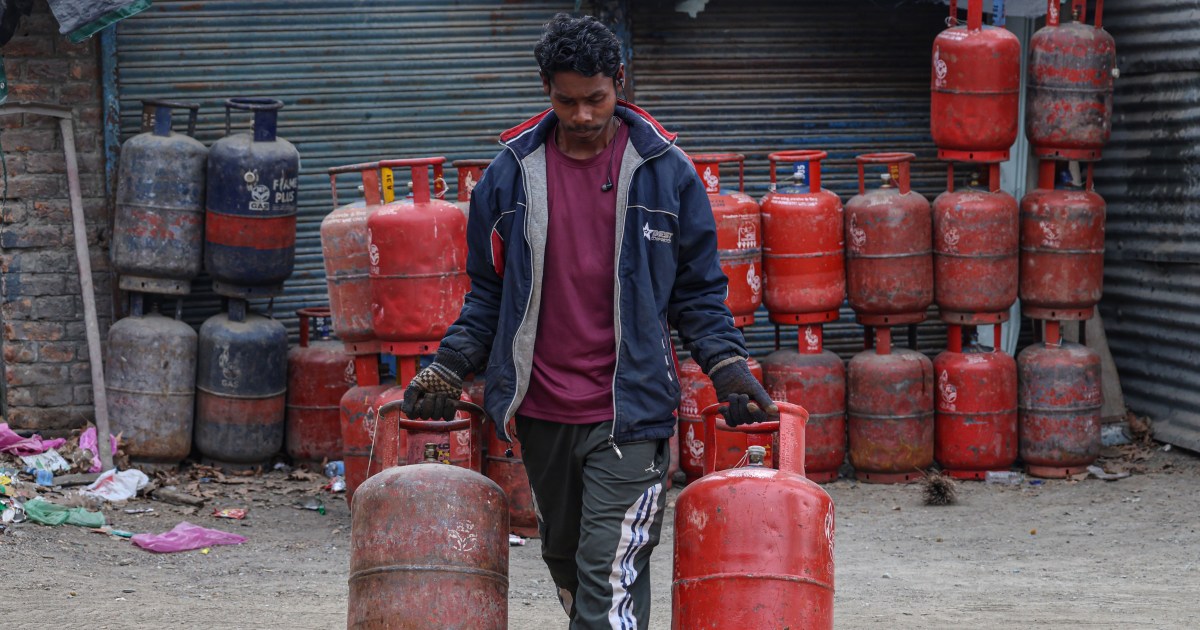
Shipping insurers have cancelled war risk coverage for tankers in the strait, and a Thai ship heading to India was attacked on Wednesday, drawing criticism from Indian authorities. Hotels and restaurants are already experiencing closures due to concerns about gas shortages, with people queuing up to stock up on LPG cylinders.
The International Energy Agency (IEA) released 400 million barrels of crude oil this week in an attempt to stabilize prices, but the move has not had a significant impact. Oil prices have surged to nearly $120 per barrel before settling at around $100, with some analysts predicting prices could reach $200 per barrel if the conflict continues.
Experts warn that India’s energy security and economic growth will be significantly impacted by the conflict. “India’s energy security will be impacted significantly,” said Harsh V Pant, vice president of the Observer Research Foundation think tank in New Delhi. “Energy markets are already volatile, and costs are rising, which could eventually translate into broader economic and inflationary pressures.”
Source: Al Jazeera