Israels Hard Right Leader Faces Growing Scrutiny Over Extremist Ties
June 4, 2026 • Al Jazeera
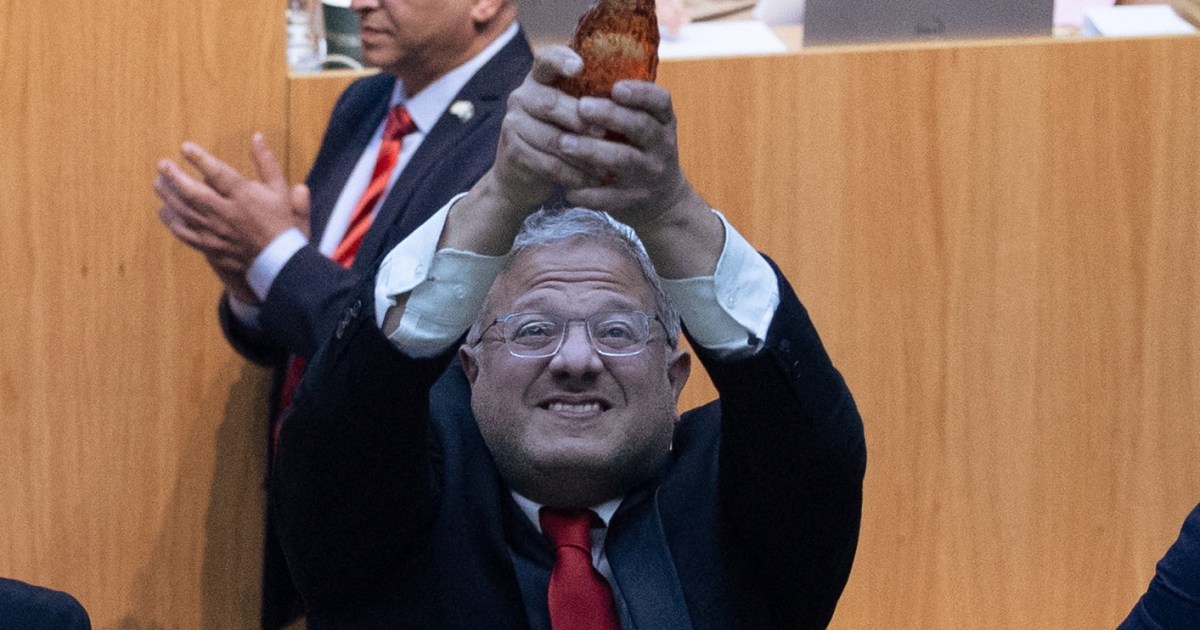
Israel’s National Security Minister Itamar Ben-Gvir has been at the center of controversy in recent weeks, sparking global criticism for his actions. The minister has made headlines by expressing opposition to a proposed US ceasefire deal with Iran that he deemed unfavorable to Israel. He has also faced backlash for his behavior towards activists from the Global Sumud Flotilla during a televised appearance.
In response to the criticism, Prime Minister Benjamin Netanyahu described Ben-Gvir’s actions as “not in line with Israel’s values and norms.” Foreign Minister Gideon Sa’ar released a statement accusing Ben-Gvir of knowingly causing harm to the state of Israel. Several countries, including the UK, France, Italy, Canada, and even Israel’s closest allies in the US, have publicly rebuked Ben-Gvir’s behavior.
Ben-Gvir has been a prominent figure in Israeli politics for several years, having first gained national attention in 1995 during the Oslo Accords negotiations. He was then involved with the extremist Kach party, which was banned in 1988 due to its alleged breach of constitutional reforms. In 1994, a member of the party committed a violent attack on Palestinian worshippers in Hebron.
Ben-Gvir has stated that he became religious at 12 and radicalized at 14 due to the violence of the First Intifada. His actions as National Security Minister have raised concerns about his influence over law enforcement agencies. Knesset member Aida Touma-Sliman has argued that Ben-Gvir’s behavior is not solely his own, but rather a result of his connections with other politicians and civil servants who share his views.
Ben-Gvir’s rise to power has been marked by controversy, and many have questioned whether he truly represents the values of the Israeli state. His actions have sparked debate about the extent to which he embodies the dominant section of Israeli society.
Source: Al Jazeera