Kenyan Graduates Turn to AI Tools for Farming Amid Job Drought
June 7, 2026 • Al Jazeera
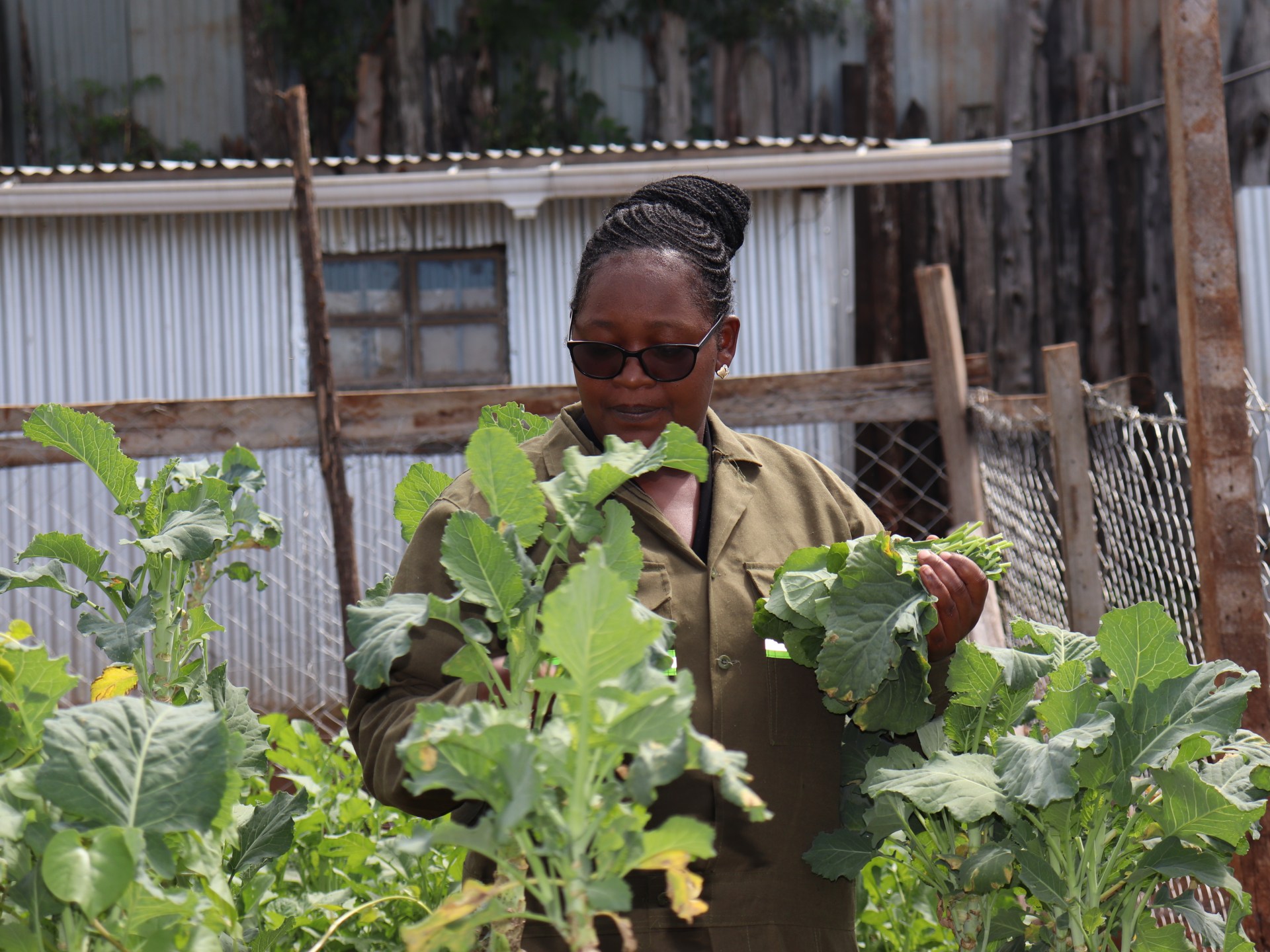
Young Farmers in Kenya Turn to Mobile Apps and Digital Skills to Build Livelihoods
In Kericho County, western Kenya, Chepkorir Rotich begins her daily routine at sunrise, tending to her farm and selling produce to customers. The 33-year-old mother of two left college over a decade ago, but instead of pursuing traditional employment, she has turned to agriculture as a means of survival.
Rotich’s experience is not unique. Many young Kenyans, like herself, have been forced to innovate due to the lack of formal jobs in the country. To adapt, they are combining traditional agriculture with mobile apps and digital skills. Rotich uses social media to market her produce and learn modern farming techniques, while also sharing knowledge with her large following on YouTube.
The Food and Agriculture Organization of the United Nations reports that African farmers are predominantly older than 60 years old. However, Rotich disputes this claim, stating that access to land is a major obstacle for young people entering agriculture.
Experts agree that technology can play a significant role in providing opportunities for young farmers. Kiringai Kamau, a lecturer at the University of Nairobi, has established an agroecology and AI learning centre to train youth in agricultural data ecosystems. Derrick Ngigi, technical head at Global Open Data for Agriculture and Nutrition, notes that content creation in agriculture can generate revenue for young farmers.
In another part of Kericho County, 32-year-old Geoffrey Kiprop is also turning to farming as a means of earning a living. With a degree in information technology, Kiprop has secured contract work in the past, but now earns around $54 per day through farming. His experience highlights the potential for young people to build livelihoods using digital skills and mobile apps.
These individuals are part of a growing trend of young farmers in Kenya who are leveraging technology to stay ahead in the agricultural sector.
Source: Al Jazeera