Leadership pitfalls: A common obstacle to effective governance and decision-making
March 13, 2026 • Al Jazeera
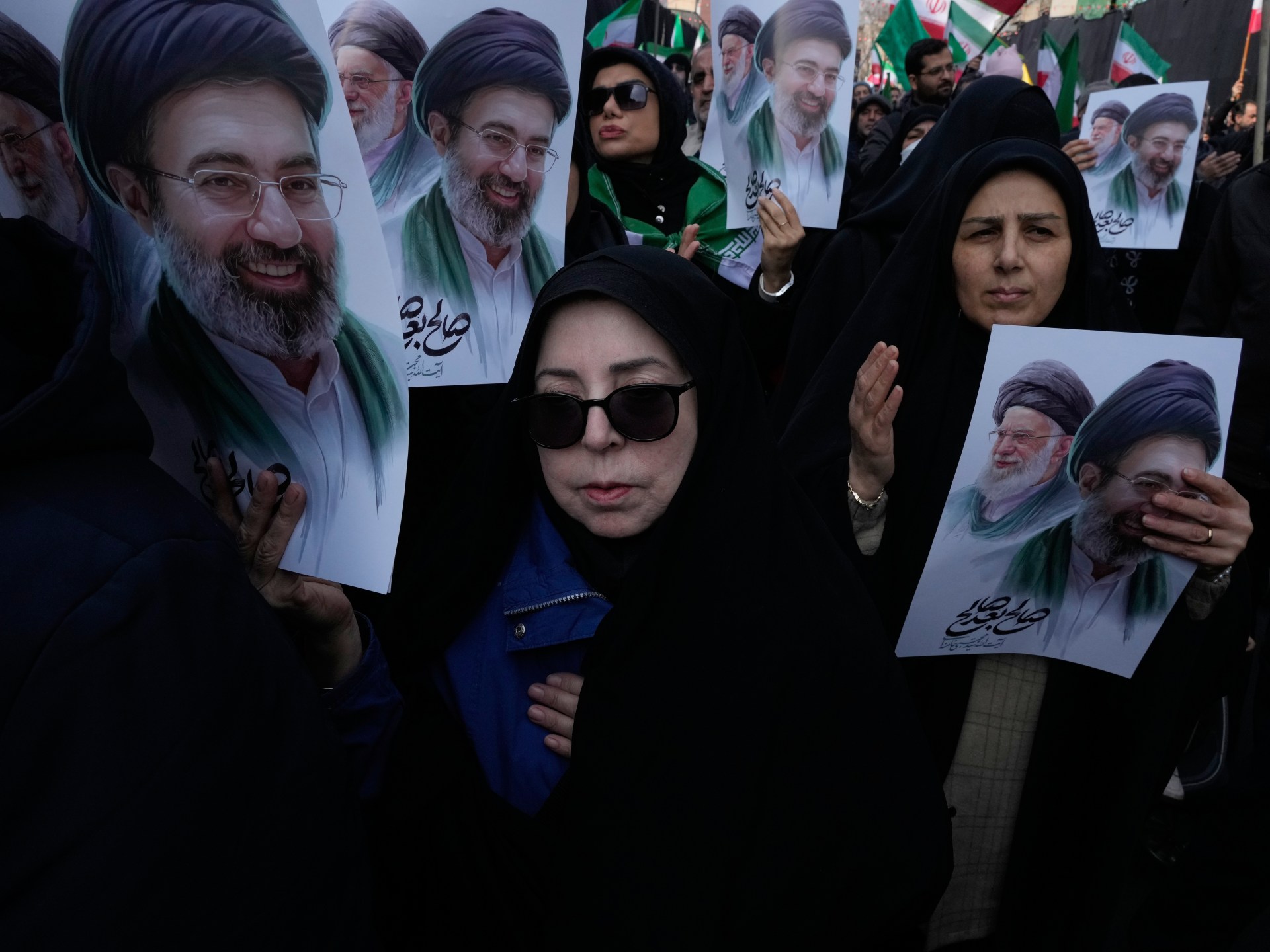
Leadership Change in Iran Sparks Debate Over Intervention
A recent development in international politics has brought attention to the complexities surrounding leadership change and intervention. In Iran, the killing of Supreme Leader Ayatollah Ali Khamenei during ongoing US-Israel strikes has sparked discussion about the nature of authoritarianism and its consequences.
Khamenei’s 36-year leadership was marked by allegations of repression, corruption, and human rights abuses. Protests in late December, calling for “fundamental and structural change,” were violently suppressed by Iranian security forces, who used tear gas, batons, and metal pellets against unarmed protesters. Human Rights Watch reported that security forces also raided hospitals to arrest injured protesters and confiscate the bodies of those killed.
The killing of Khamenei has been framed as a triumph for freedom in some quarters. However, this narrative overlooks the deeper political realities that led to his leadership. The international community’s response to such situations often prioritizes moral clarity over more nuanced considerations, including international law and geopolitical consequences.
This phenomenon is not unique to Iran. Leaders from various countries, including those within the Western world, have been subject to similar treatment. For example, Hungarian Prime Minister Viktor Orbán’s erosion of democratic institutions has been described as inconsistent with “European values,” while US President Donald Trump’s xenophobic rhetoric has been framed as an aberration in American politics.
The killing of Saddam Hussein in 2003 is another notable example of how leadership change can be used to justify intervention. The Bush administration launched the invasion of Iraq, citing the removal of Saddam from power as a key objective.
In the context of Khamenei’s death, it is essential to consider the complexities surrounding authoritarianism and its consequences. A thorough examination of international law, geopolitical implications, and the long-term futures of societies involved is necessary to fully understand the situation.
Source: Al Jazeera