Malaria cases surge in Zimbabwe due to aid cuts and climate change
May 28, 2026 • Al Jazeera
Here is the rewritten article in a neutral newsroom style:
Zimbabwe Reports Surge in Malaria Cases Amid Treatment Shortages
Harare, Zimbabwe - A recent outbreak of malaria cases in eastern Zimbabwe has highlighted the country’s fragile health systems and treatment shortages in rural areas.
According to data from the Ministry of Health National Malaria Control Programme, malaria cases jumped to 65,399 between January and April 2026, up from 36,000 recorded during the same period in 2025 and 17,000 in 2024. Deaths have also risen sharply, reaching 174 between January and April 2026.
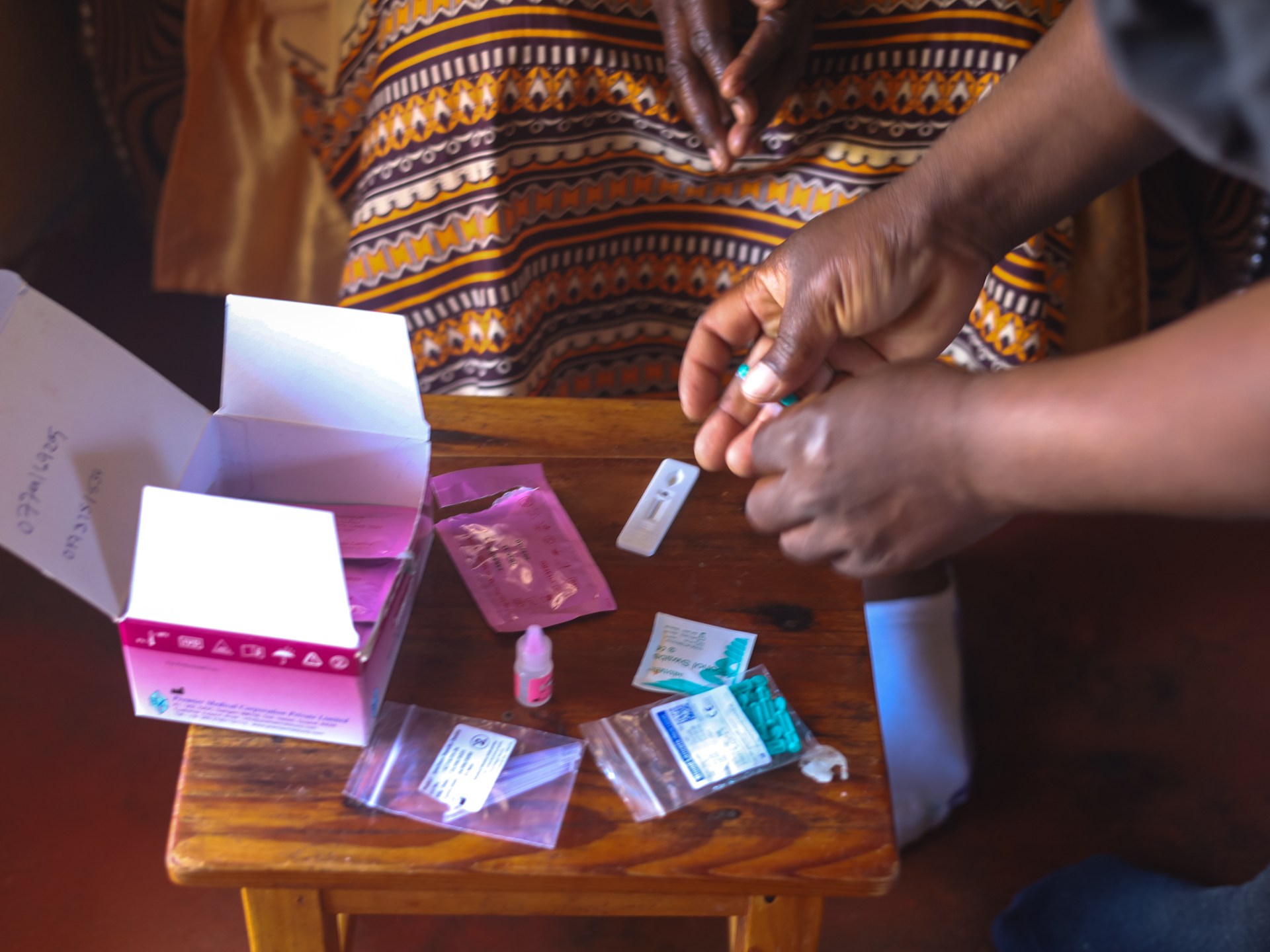
In one community, a surge in malaria cases has left residents seeking treatment early to survive. Precious Mvundura, a 37-year-old woman from Chishakwe, sought help after falling ill with joint pain, high fever, and headaches. Her five-year-old son also tested positive for the disease. Both received treatment and have since recovered.
The surge in malaria cases is attributed to disruptions in key malaria control programs, including those funded by the US Agency for International Development (USAID). In 2025, US President Donald Trump cut foreign aid funding, including programs backed by USAID, which disrupted tuberculosis, HIV/AIDS, and malaria research, prevention, and treatment initiatives.
The Zimbabwe Entomological Support Programme in Malaria (ZENTO) at Africa University in Mutare, which provided scientific research to support the country’s National Malaria Control Programme, was among the affected initiatives. The Zimbabwe Assistance Programme in Malaria II (ZAPIM II), which helped strengthen malaria diagnosis, treatment, and prevention in high-burden districts, also faced disruptions.
Save the Children Zimbabwe reported that several malaria elimination activities previously supported by ZAPIM II had been disrupted. “In practice, elimination has continued through government and other partners, but with weaker operational capacity and slower implementation,” said Thomas Chuchu, health programme lead at Save the Children Zimbabwe.
Residents in affected areas have expressed difficulties in accessing treatment due to shortages of malaria diagnostic kits and drugs. Virginia Chakandinakira, a village health worker serving Chishakwe, reported that she only received test kits and drugs in February 2026, after being referred to a nearby clinic earlier in the year.
The situation highlights the need for continued support and resources to address the growing threat of malaria in Zimbabwe.
Source: Al Jazeera