Palestinians React to Partial Reopening of Rafah Border Crossing
February 4, 2026 • Al Jazeera
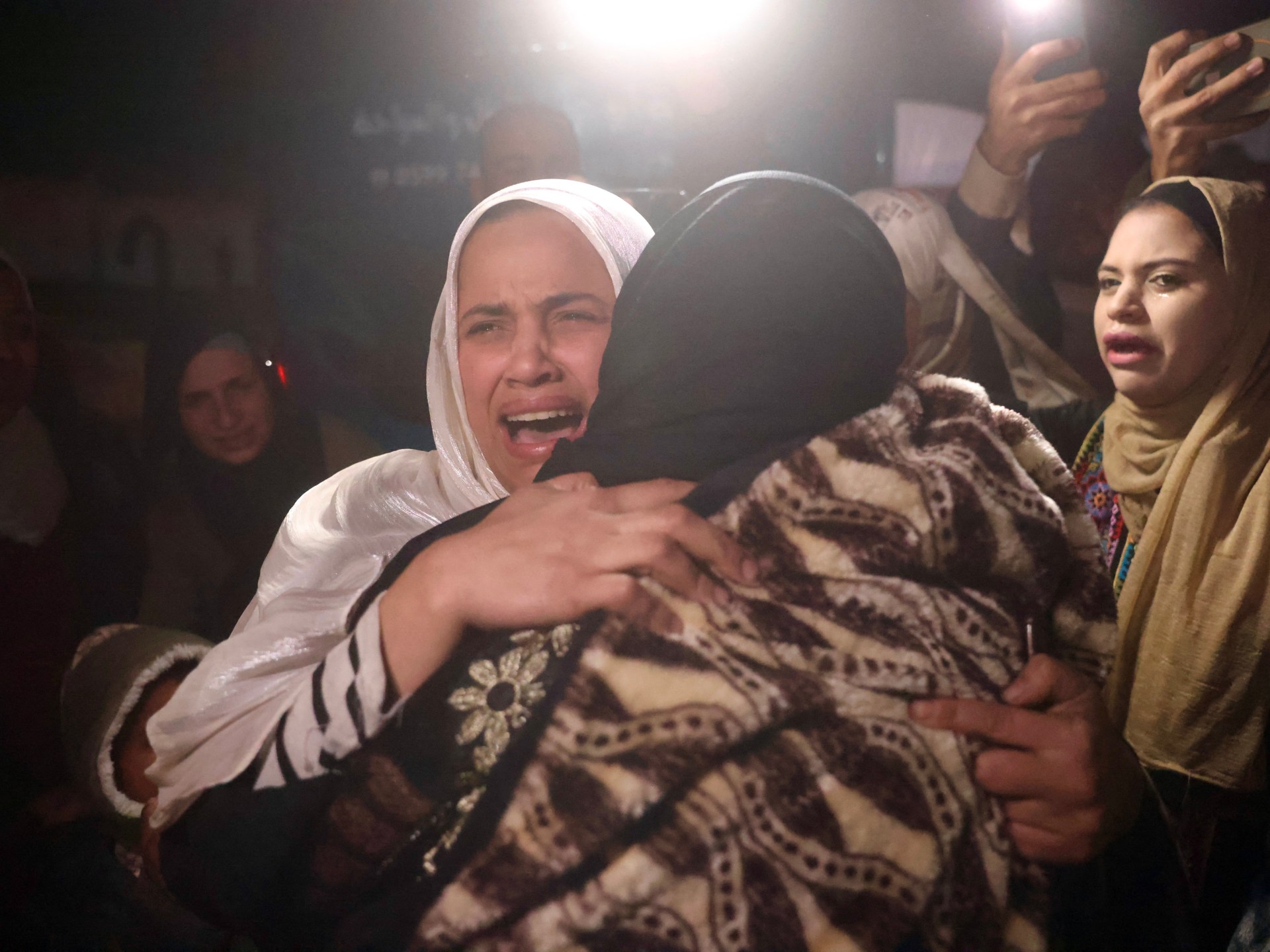
Rafah Border Crossings Reopen Amid Mixed Sentiments
The Rafah border crossing with Egypt partially reopened on Monday, allowing a small number of Palestinians to return to war-torn Gaza. The crossing had remained largely closed since Israeli forces took control of it in May 2024.
According to reports, only about two dozen people crossed in both directions on the first day, far fewer than the expected 200. Egyptian officials have reportedly demanded equal numbers entering and exiting the territory each day.
Palestinian returnees described their journey as difficult, with many reporting being interrogated by Israeli forces before being allowed to cross into Gaza. Some were also forced to leave behind personal belongings, including children’s items.
The reopening of the crossing has been welcomed by some, including Ali Shaath, head of a Palestinian committee overseeing Gaza’s governance, who described it as a “window of hope” for the war-devastated territory.
However, others have expressed concerns about the limited number of people allowed to cross and the conditions under which they were permitted to enter. For example, Rotana al-Riqib, a Palestinian woman returning from Egypt, reported being exhausted after her journey and having her belongings confiscated by Israeli forces.
The reopening of the crossing is part of US President Donald Trump’s Gaza truce proposal, which aims to improve humanitarian conditions in the territory. For Gaza’s sick and injured, the crossing represents potential access to medical care in Egypt.
According to reports, 12 Palestinians were permitted to return from Egypt on Monday, while eight people departed Gaza. The Israeli Defence Ministry body coordinating Palestinian civilian affairs has not mentioned allowing a substantial increase in aid into Gaza.
The reopening of the Rafah border crossing is expected to have significant implications for the people of Gaza, who have been struggling with limited access to basic necessities and medical care.
Source: Al Jazeera