Peace Remains Elusive in Pakistans Troubled Balochistan Region
February 3, 2026 • Al Jazeera
Here is a rewritten version of the article in a neutral newsroom style:
Balochistan’s History of Rebellion and State Crackdowns
The southwestern province of Balochistan, Pakistan’s largest and poorest region, has been plagued by violence since its incorporation into the country in 1948. The conflict has ebbed and flowed over the decades, with recent years witnessing a sharp escalation.
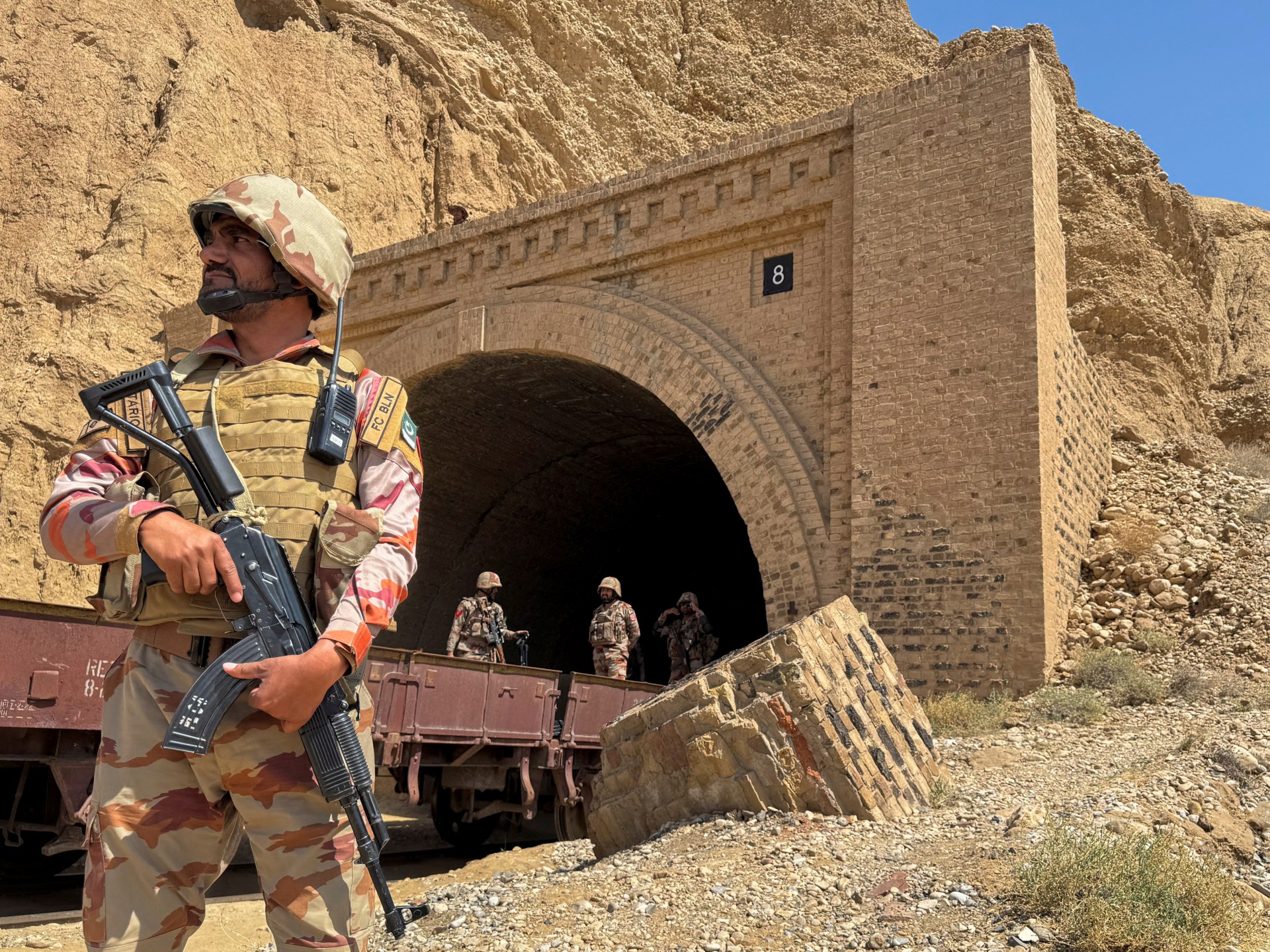
Since Pakistan gained independence in August 1947, the relationship between Balochistan and the Pakistani state has been strained. The province’s formal accession to Pakistan in 1948 marked the beginning of a long-standing sub-national conflict. In January, coordinated attacks were carried out in nearly a dozen cities across the province by secessionist groups seeking independence, resulting in over 30 civilian deaths and at least 18 law enforcement fatalities.
Security forces responded with force, killing more than 150 fighters during government operations that lasted several hours. The chief minister of Balochistan, Sarfraz Bugti, later stated that the solution to the province’s problems lay with the military rather than political dialogue.
Analysts point to the final years of British rule in South Asia and the uncertain political geography preceding Pakistan’s independence as key factors contributing to the conflict. At the time of partition, Balochistan was not a single political unit, with parts directly administered by the British and others tied to the British Crown through treaties.
In 1947, the Khanate of Kalat was technically independent, but its status shifted after the strategic value of Balochistan’s coastline became clear. The province’s coastline is a gateway to the Strait of Hormuz, a critical waterway for international trade.
The first major uprising began in 1958, triggered by Pakistan’s “One Unit” scheme, which dissolved provincial identities into a single administrative entity. This move led to armed resistance and a military response, followed by an uneasy calm before the cycle repeated itself.
Subsequent conflicts have been driven by opposition to military rule, demands for political rights, and leftist ideas. The most intense conflict erupted in the 1970s, following the dismissal of the elected provincial government in 1973.
Today, analysts say that the roots of the conflict lie in the complex history of Balochistan’s relationship with the Pakistani state, which has been marked by periods of violence and repression.
Source: Al Jazeera