Several European nations to adopt euro currency by 2026
December 30, 2025 • Al Jazeera
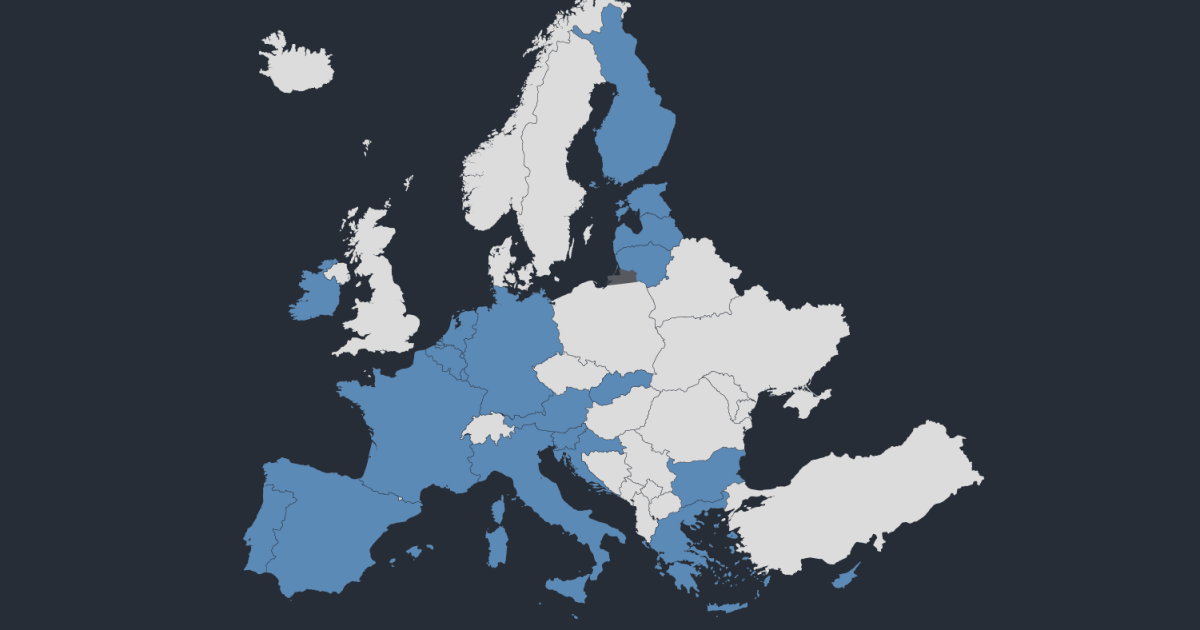
Bulgaria to Adopt Euro as Official Currency on January 1, 2026
On January 1, 2026, Bulgaria will become the 21st country to adopt the euro as its official currency, marking a significant milestone in the country’s integration into the European Union. The Balkan nation has been an EU member since January 1, 2007, and joined the Schengen Area in March 2024.
As of 2026, Bulgaria will bid farewell to its lev currency, leaving only six countries in the 27-member EU still using their own currencies: The Czech Republic, Denmark, Hungary, Poland, Romania, and Sweden. The euro is the official currency of the EU, serving as a unified currency for its member states.
The euro is managed by the European Central Bank and the Eurosystem, consisting of six banknotes featuring different European architectural designs. Coins have a national side chosen by each country. The EU is a political and economic bloc formed in 1993 to promote cooperation, free trade, and shared policies across Europe.
Most EU nations are legally required to adopt the euro once they meet specific economic criteria. Denmark is the only current member state with a formal opt-out from the eurozone, negotiated in the 1992 Edinburgh Agreement. Before joining the eurozone, countries must spend at least two years in ERM II (the Exchange Rate Mechanism), during which their national currency is pegged to the euro.
Four small countries outside of the EU have also agreed to use the euro as their official currency: Andorra, Monaco, San Marino, and Vatican City. The euro was introduced to financial markets on January 1, 1999, replacing the European Currency Unit (ECU) at a 1:1 ratio. Physical coins and banknotes entered circulation in 2002, fully replacing national currencies by March of that year.
Eleven countries first adopted the euro in 1999, followed by Greece in 2001, Slovenia, Cyprus, Malta, Slovakia, Estonia, Latvia, Lithuania, Croatia, and now Bulgaria.
Source: Al Jazeera