South Korea to invest over $1 trillion in AI and semiconductor industry
June 29, 2026 • Al Jazeera
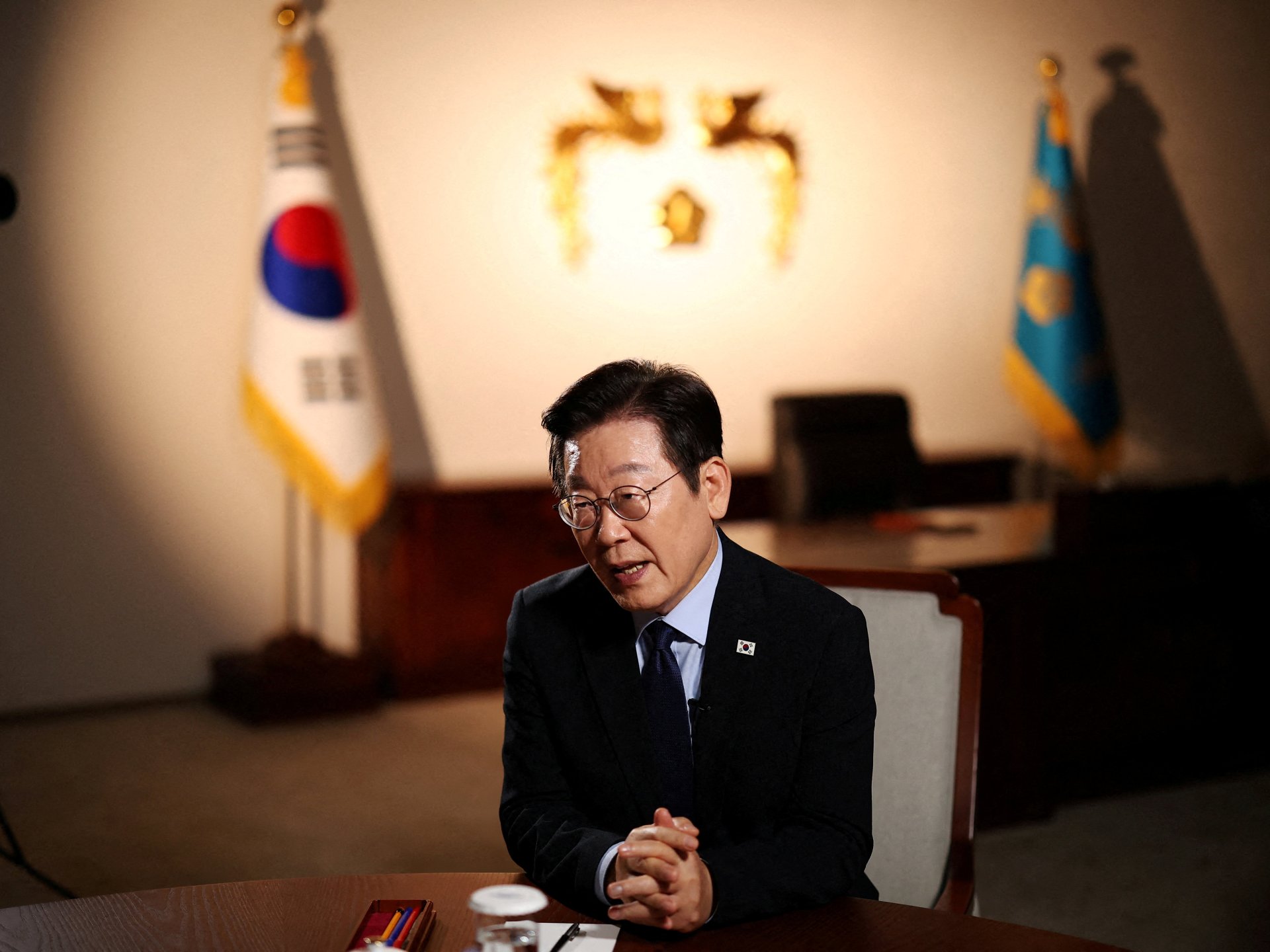
South Korea Unveils Comprehensive Industrial Strategy Focused on Semiconductors and Artificial Intelligence
President Lee Jae Myung has announced a significant industrial strategy aimed at solidifying South Korea’s leadership in the rapidly growing artificial intelligence (AI) sector. The plan, which is expected to involve investments of hundreds of billions of dollars over several years, focuses on three key areas: semiconductors, physical AI, and data centers.
The initiative was unveiled during a televised address by President Lee, who emphasized the importance of securing South Korea’s position in the global AI market. The plan includes the construction of two new chip fabrication sites in the southwestern region of the country, with investments totaling 800 trillion won (approximately $518 billion). Industry Minister Kim Jung-kwan confirmed that Samsung Electronics and SK Hynix, the world’s two largest memory chipmakers, will be involved in these projects.
Additionally, the government has announced plans to invest 5 trillion to 20 trillion won (approximately $3.2 billion to $13 billion) in the southwestern region of Gwangju and South Jeolla province. A further 81 trillion won (approximately $52.5 billion) is expected to be invested for a chip-packaging cluster in the Chungcheong area near Seoul.
The plan also includes the construction of AI data centers, with investments totaling 550 trillion won (approximately $356 billion). Science Minister Bae Kyung-hoon announced that an additional 10-gigawatt AI data center will be built by 2035, with a total investment exceeding 18.4 gigawatts and 1,000 trillion won.
The government’s announcement has been met with criticism from opposition parties, who argue that the plan is driven more by regional politics than industrial logic. They claim that the government is pressuring memory chipmakers to invest in the region to bolster political support rather than allowing companies to choose commercially viable locations.
Source: Al Jazeera