US-Iran Deal Faces Criticism Over Perceived Inequities and Uncertainty
June 21, 2026 • Al Jazeera
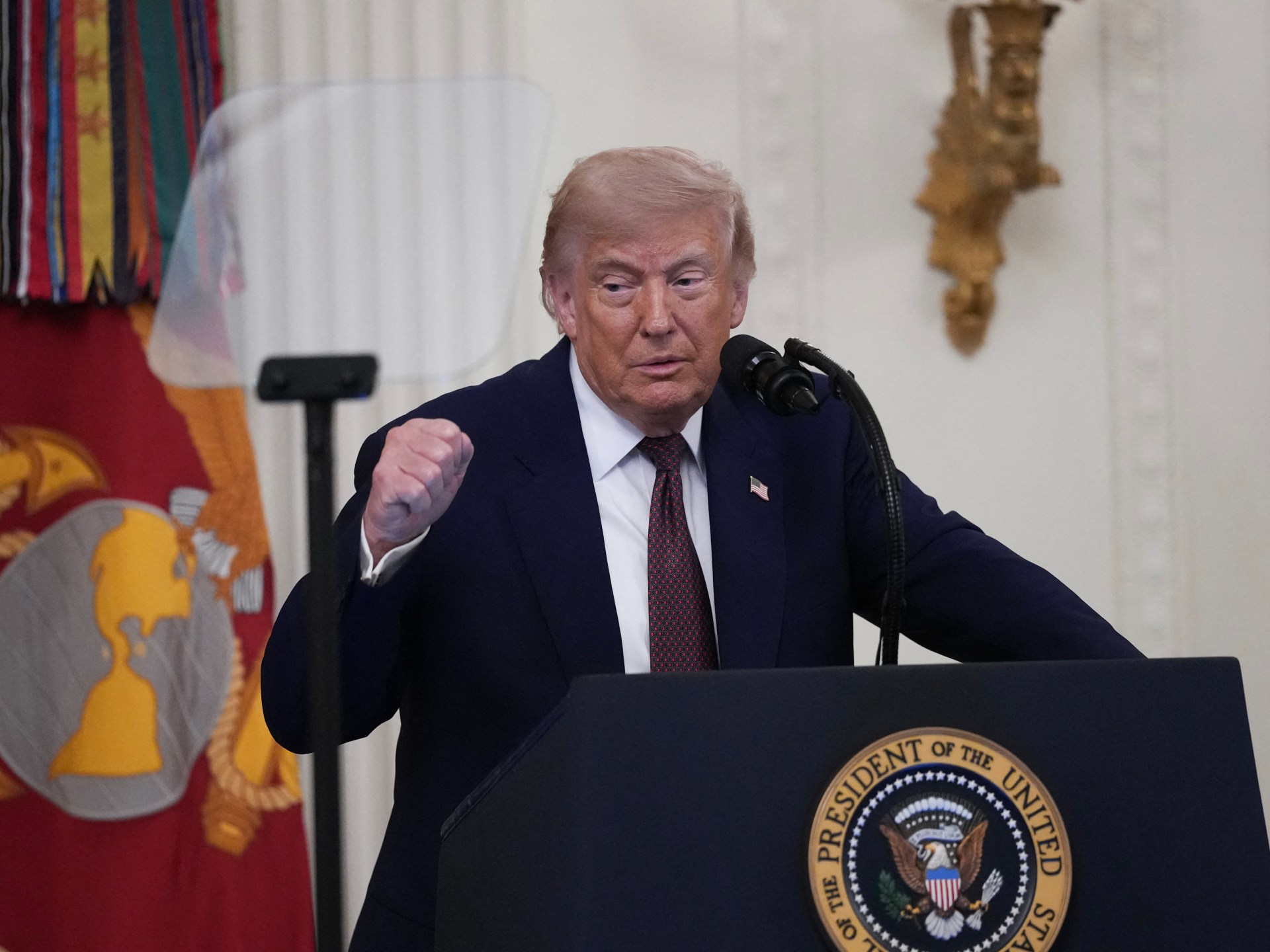
US-Iran Conflict Yields Mixed Reactions in America
The US-Iran conflict has sparked diverse reactions among Americans, with four distinct groups emerging. The largest group consists of those who opposed the war and now support the peace agreement, largely driven by concerns about economic relief. In contrast, a smaller group is comprised of supporters of the war, while another group includes congressional Democrats united in their opposition to the president’s actions.
Congressional Republicans initially cheered for the conflict but have since expressed skepticism regarding the memorandum of understanding. The administration faces challenges if it seeks Congressional approval for future agreements, as some argue that the current deal is comparable to the 2015 Joint Comprehensive Plan of Action (JCPOA) negotiated by President Barack Obama.
Key takeaways from the US-Iran conflict include:
- The difficulty in replacing the Iranian regime without deploying ground troops.
- The willingness and ability of the US and Israel to target Iranian leadership, despite laws prohibiting such actions.
- The significant assets at Iran’s disposal that can impact global economic stability and regional security.
- The limitations of Israel’s promises for a swift and decisive conflict.
- The lack of support from NATO allies in wars of choice.
- The challenges of negotiating with Iran due to its unwillingness to compromise.
- President Trump’s willingness to abandon allies, such as Israel, when pursuing his objectives.
- The importance of economic pressure rather than military action in driving change within the Iranian regime.
- The need for a reliable partner in negotiations, particularly when targeting key leaders.
These lessons may prove valuable in future diplomatic efforts.
Source: Al Jazeera