US Policy on Latin American Intervention Explained by Historical Doctrine
January 4, 2026 • Al Jazeera
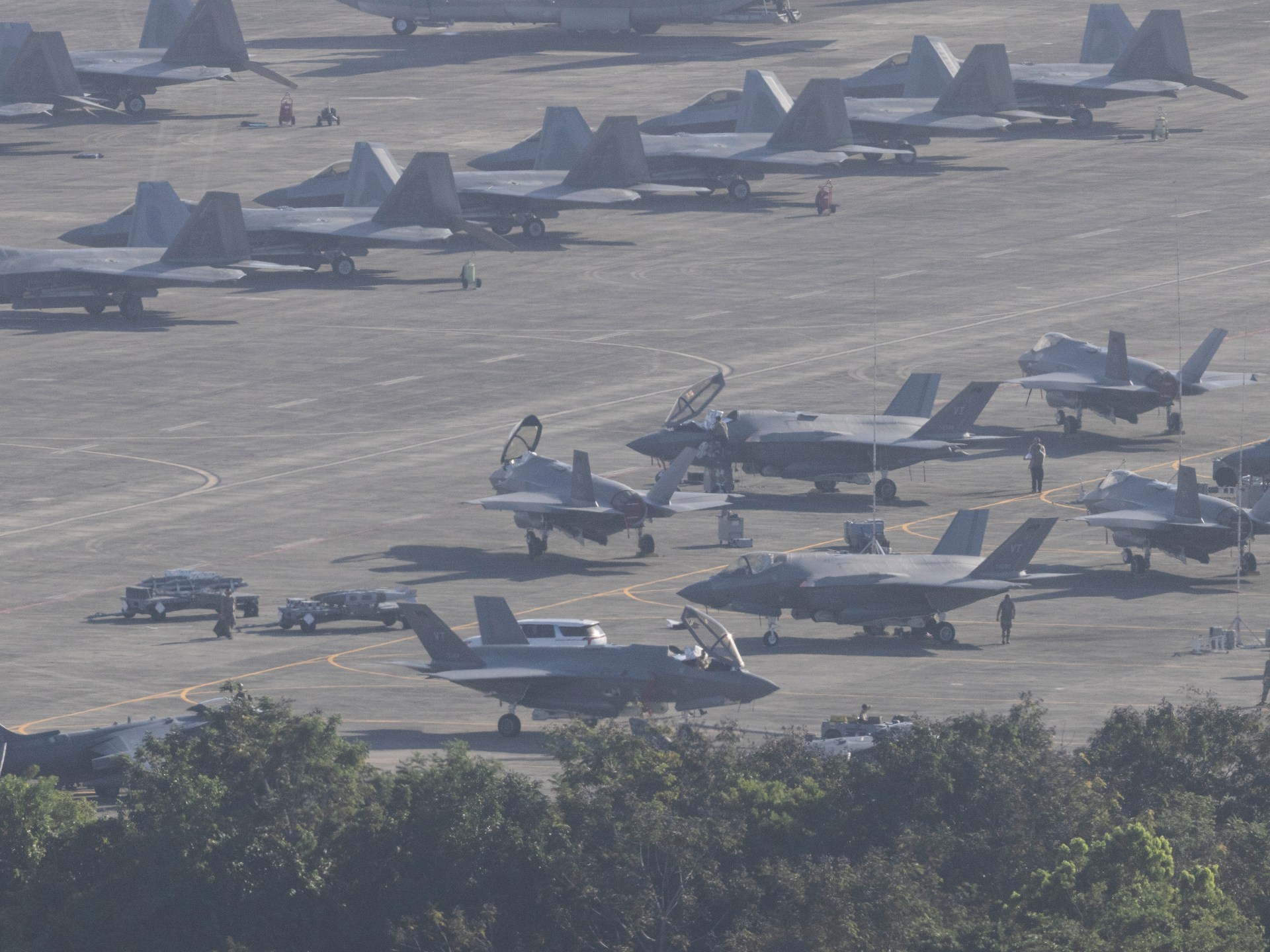
US President Donald Trump has linked the recent attack on Venezuela to the Monroe Doctrine, a policy established by US President James Monroe in 1823. The doctrine stated that the United States would not tolerate European interference in the Americas and instead sought to maintain its influence in the region.
According to historical records, Monroe first mentioned the doctrine during his seventh annual State of the Union address on December 2, 1823. He warned European powers against interfering with the affairs of the Americas, stating that any such action would be viewed as an attack on the United States. In return, the US agreed not to interfere with existing European colonies or the internal affairs of European countries.
Over time, the Monroe Doctrine evolved into the Roosevelt Corollary, which asserted a US right to intervene in Latin American countries to prevent European interference and maintain stability in the region. This policy was invoked during various crises, including the Venezuelan crisis of 1902-1903, and has been used as justification for US intervention in several countries.
US President Trump has stated that the recent attack on Venezuela is an update to the Monroe Doctrine, with the US seeking to “run the country” until a safe transition can be carried out. He also emphasized American dominance in the Western Hemisphere, stating that it will never be questioned again.
Source: Al Jazeera