US withdrawal from SDF affects Kurdish communities in Syria and Iraq
February 3, 2026 • Al Jazeera
US-Kurdish Relations Take a Turn for the Worse
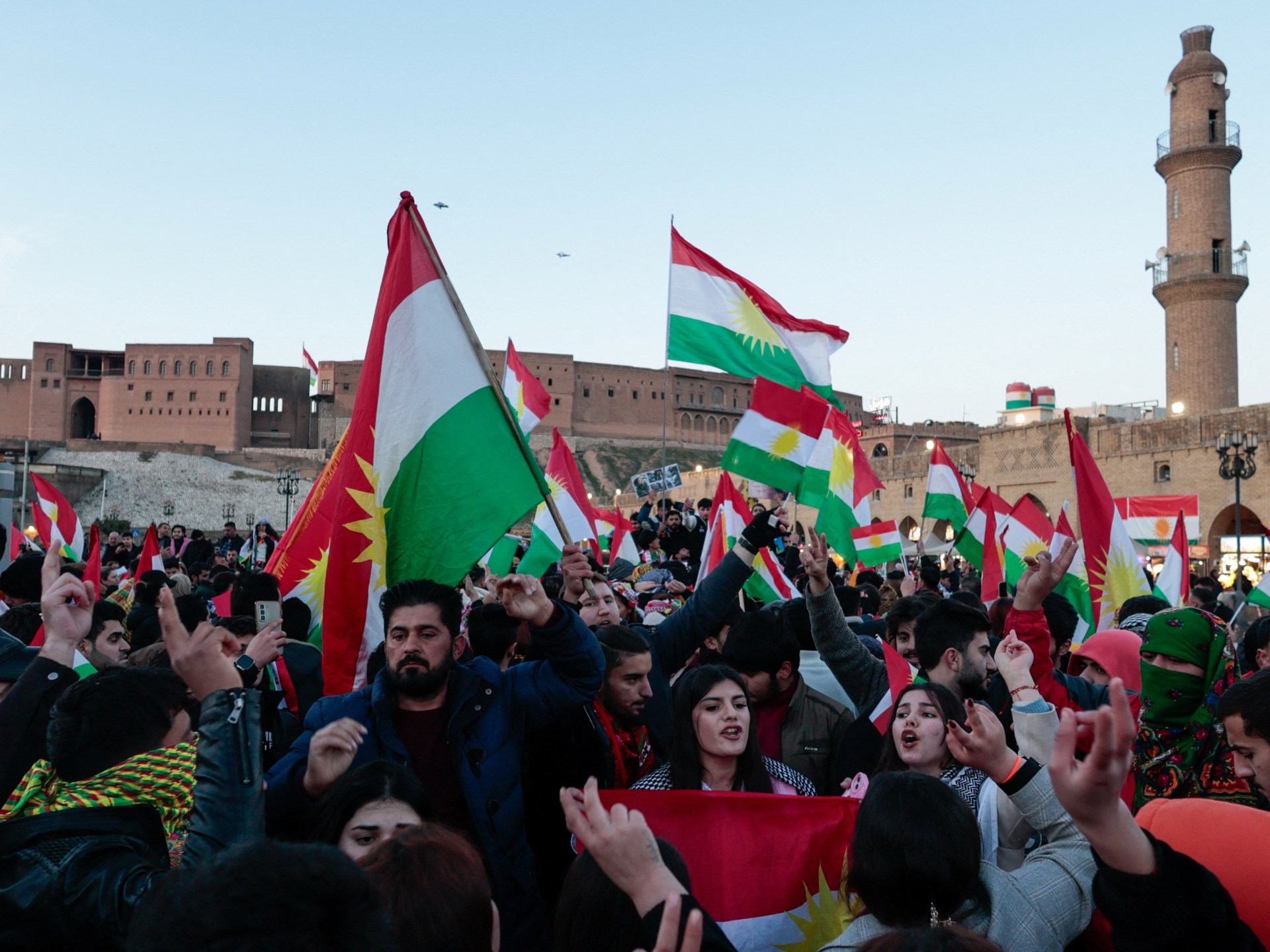
A recent development in US-Syrian relations has sparked growing suspicion among Kurdish communities and elites across the region. Last month, during violent clashes between Kurdish forces and the Syrian army, the United States delivered a statement to Syria’s Kurds, stating that their partnership with Washington had “expired.” This message was seen as a clear signal that the US was siding with Damascus and abandoning the Kurds at their most vulnerable moment.
The implications of this move are significant, not only for the Kurdish community in Syria but also those in Iraq, Turkey, and Iran. The US support for Damascus under interim President Ahmed al-Sharaa has raised concerns about the potential emergence of a centralized Syrian state, which would be viewed with deep suspicion by Kurds throughout the region.
Historically, centralized states in the Middle East have marginalized and excluded Kurdish minorities. The prospect of such a system emerging in Syria, with US backing, represents a fundamental divergence from Kurdish hopes for the region’s future. The Assad regime has long denied recognition to the Kurdish collective group within Syria’s national fabric, banning the public use of the Kurdish language and denying citizenship to many Kurds.
A recent agreement between Damascus and the Kurdish-led Syrian Democratic Forces (SDF) included limited recognition of Kurdish collective identity, including acknowledgment of “Kurdish regions.” While this represents incremental gains, they are unfolding within a transitional government structure that aims for centralization. As a result, Syrian Kurds remain suspicious about whether these promises will be upheld in the future.
The situation has also led to increased cooperation between Shia and Kurdish parties in Iraq, who share a common sense of threat and interest. The alliance between these groups was initially driven by a shared past under Saddam Hussein’s regime but is now guided by fears of being marginalized in the region. This convergence is evident not only in elite political calculations but also in public sentiment across both communities.
In recent weeks, there has been a notable shift in attitudes towards regime change in Iran among Kurdish elites and ordinary citizens in Iraq. The Kurdistan Democratic Party (KDP) recently welcomed the nomination of Nouri al-Maliki for prime minister, despite being critical of US policy in Syria. This endorsement was rooted in internal politics rather than solely a reaction to US policy.
Source: Al Jazeera