Young Bangladeshis to choose next prime minister after toppling Hasina government
January 20, 2026 • Al Jazeera
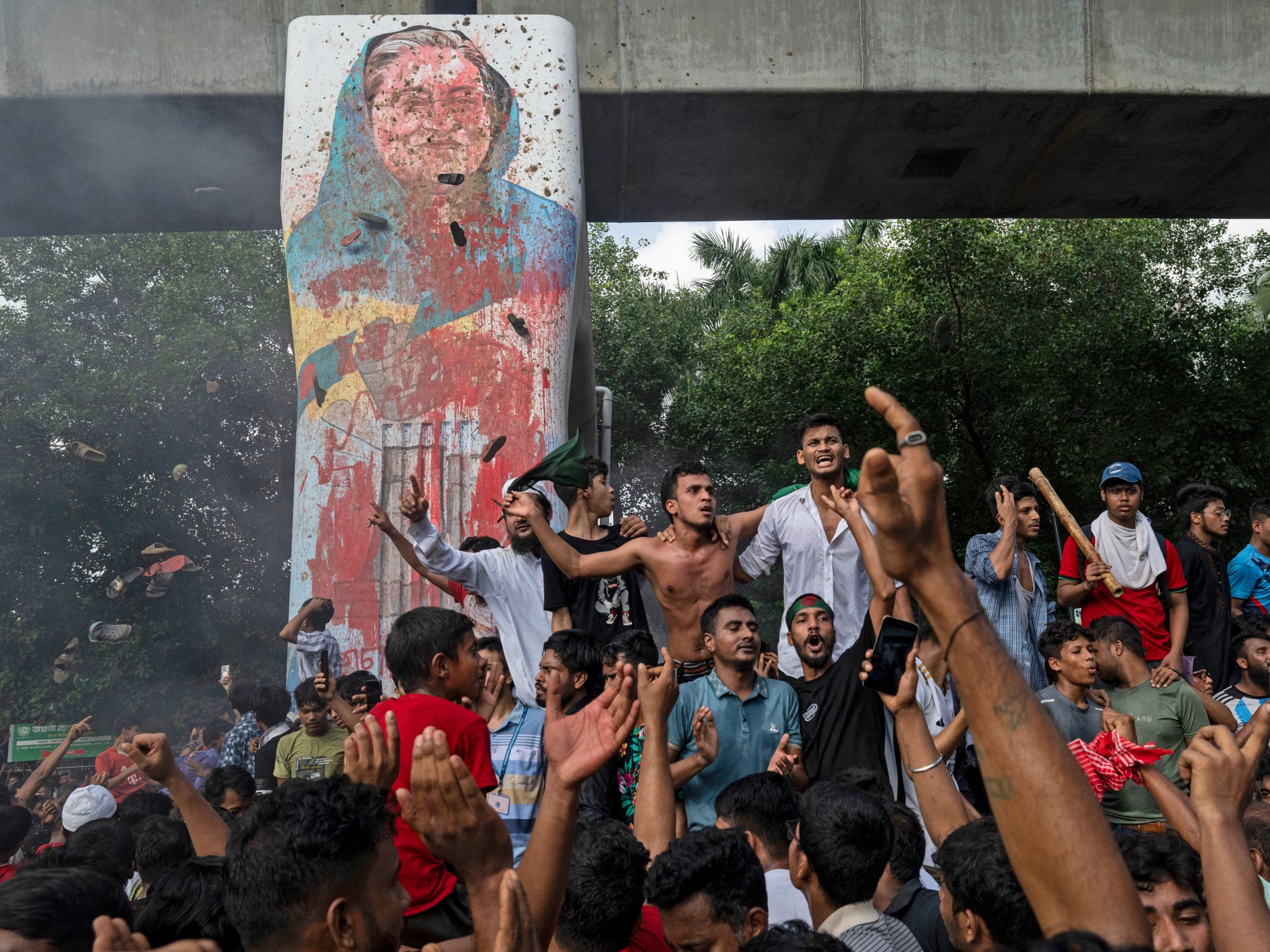
Bangladesh to Hold National Election After Years of Protests
A nationwide uprising in July 2024 led to the ousting of Prime Minister Sheikh Hasina, marking a significant shift for young voters who make up nearly half of the electorate. Rafiul Alam, a 27-year-old Dhaka resident, had never voted before due to his lack of faith in the electoral process. However, after participating in student protests and witnessing the brutal crackdown by security forces, his perspective changed.
Alam’s experience was not unique, as many young Bangladeshis in their 20s and 30s have grown disillusioned with politics due to the long period of Hasina’s rule. The opposition parties and election watchdogs repeatedly questioned the credibility of polls, leading to widespread disengagement from the electoral process.
The United Nations Human Rights Office estimated that up to 1,400 people, mostly young individuals, may have been killed during the crackdown. When Hasina left office on August 5, 2024, Alam felt a sense of responsibility for what comes next. The upcoming national election on February 12 is expected to be the first competitive poll in years.
According to the Election Commission, nearly 56 million registered voters between the ages of 18 and 37 are eligible to vote, constituting about 44 percent of the electorate. This demographic has been largely absent from previous elections due to a lack of competitive polls since 2008. The European Union observers have described the upcoming election as the “biggest democratic process in 2026, anywhere.”
The Election Commission’s director general noted that individuals who turned 18 after the 2008 parliamentary election have never had the chance to vote in a competitive poll. As a result, many are now eager to cast their ballots for the first time. The upcoming election is expected to be shaped by the shared suspicion of institutions among Bangladesh’s young voters, who are united less by ideology than by a desire for change.
Source: Al Jazeera